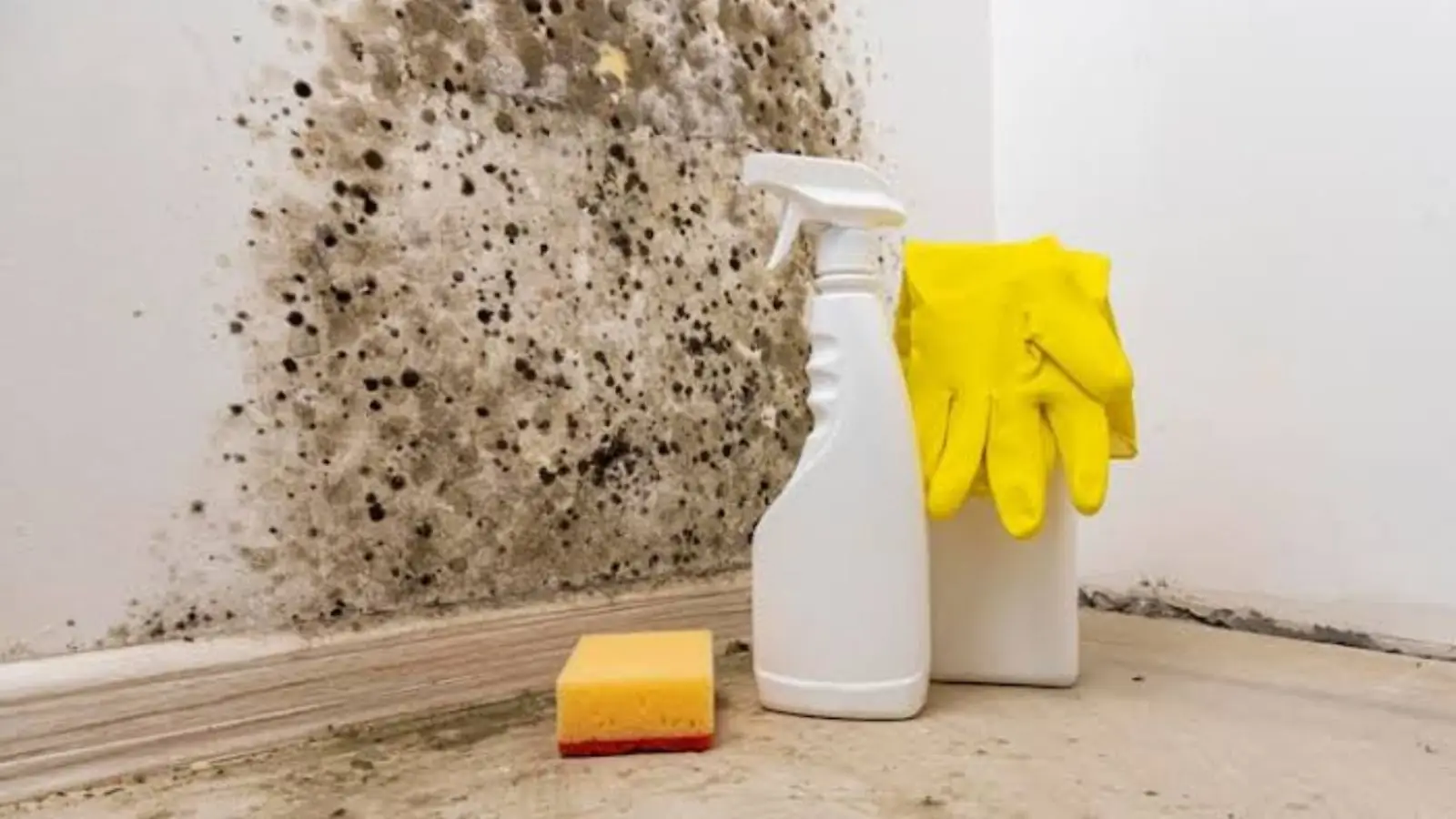
Black mold removal cost in Hopkinton, MA depends far more on the job than on the color of the mold. Black mold is a common name for dark growth, used loosely for many different organisms. Cost is set by the size of the area, the materials involved, the containment needed and the work to fix the moisture behind it. This post explains each factor, with no dollar figures, because a fair number only exists once the full scope is known.
Why color does not decide severity
Homeowners often panic at the word black, but color is a poor guide. The Massachusetts Department of Public Health (DPH) states that there are no federal or state standards to determine a safe or unsafe amount of mold, and it does not recommend routine mold testing as part of water damage remediation. The state guide does not sort mold by color.
What matters in practice is how much there is, what it is growing on, how long the area has been wet and who is in the house. A small dark spot on tile is a different job than dark growth across an attic ceiling, even if both look alike.
The main cost drivers
| Factor | How it changes the job |
|---|---|
| Size of the affected area | More surface means more labor, more materials removed and more disposal. The 10 square foot mark in the state guide is where professionals are generally advised |
| Type of material | Growth on tile or metal can be cleaned. Growth on drywall, insulation, carpet and wood trim often means removal and replacement |
| Location | Open rooms are simpler. Wall cavities, attics, crawl spaces and tight corners take more time and care |
| Containment | Barriers, filtered air and protective gear add setup time but keep spores from spreading |
| Moisture source | If a leak or humidity problem must be traced and dried, that is added work, and it is required to keep the mold from returning |
| Water category | Mold that followed contaminated water adds cleaning and disposal steps |
| Access and height | High ceilings, cramped attics and finished basements slow the work |
| Rebuild | Replacing drywall, insulation, flooring and paint is a separate scope from removal |
How scopes differ between companies
Two bids for the same house can look far apart and still be reasonable, because they cover different things. One may include only removing the growth. Another may include drying, containment, disposal and rebuilding. Comparing the totals without comparing the scopes is how homeowners end up surprised.
Ask each company to say, in writing, what rooms are covered, what materials come out, how the area is contained, what happens to the moisture and whether rebuilding is included. That is the only way two numbers can sit next to each other fairly.
- Removal only, with rebuilding left to another trade
- Removal plus drying and moisture control
- Removal, drying and rebuild under one contract
- A narrow fix for a small, visible area
- A wider plan when growth is inside walls, above ceilings or below floors
What a quote should include before you trust it
A bid worth comparing has these
- A site visit, or at least a clear list of what was assumed
- Rooms and materials named rather than described loosely
- A containment and cleanup method in plain words
- How the moisture source will be handled
- What is not included, such as rebuild or plumbing repairs
- A payment schedule with installments and a final payment held until work is verified
Why we do not quote a figure sight unseen
A price given over the phone, with no look at the area and no information on materials, is a guess. Honest pricing needs scope. That is why a responsible company asks questions about size, location and moisture before naming a number, and why you should be wary of anyone who skips them.
Does testing add to the cost, and does it help
Some companies recommend lab testing before work begins. DPH does not recommend routine mold testing as part of water damage remediation and notes that no safe level has been set. A test adds cost and delay and rarely changes the work, which is based on what is visibly affected and what is wet.
Money is usually better spent on finding the moisture source and drying the structure properly. That is also what stops the growth from coming back, which is the cost that hurts most.
Permits and timing can touch the rebuild
The Town of Hopkinton's Inspectional Services page says a contractor supervisor license is not always required, but that does not mean a permit is not required. It also notes that building permits become invalid if work does not start within 180 days of issuance. If your mold job includes rebuilding walls, factor in the time to confirm permits with Inspectional Services at 18 Main Street, because delays between removal and rebuild can leave a house open longer than planned.
Source type: Town of Hopkinton page
Cost factors that homeowners overlook
Think about the whole project, not only the removal. Insurance, for one, depends on your policy and the cause of the water. Standard homeowners policies usually cover sudden and accidental damage but often exclude flood, seepage and wear and tear, so check your policy or ask your insurer, and report a claim promptly.
Also think about timing. The faster water mitigation starts after a leak, the less material has to be thrown away. Careful mold remediation then deals with whatever growth remains, and we work with homes in Ashland and Southborough on exactly this sequence.
Ready to talk scope instead of guesses?
Call (508) 446-9244. Tell us what you found and where, and we will explain what the job would involve and how the cost is built.
Frequently Asked Questions
Color alone does not set the price. Size, materials, location, containment and moisture work do. The state guide does not rank mold by color, so a bid should be based on scope and not on the word black.
Usually because they cover different scopes. One may include only removal, while another includes drying, containment, disposal and rebuilding. Ask each company for a written scope so the two can be compared fairly.
A figure without a look at the area is a guess. Honest pricing needs scope, which means size, location, materials and moisture. A site visit or detailed description should come first.
It depends on your policy and the cause. Standard homeowners policies usually cover sudden and accidental damage but exclude flood, and wear and tear is not covered. Check your policy or ask your insurer, and report a claim right away.
They can add steps if the job includes rebuilding. The town says a permit may be required even when a contractor supervisor license is not, and that permits become invalid if work does not start within 180 days. Check with Inspectional Services at Town Hall.