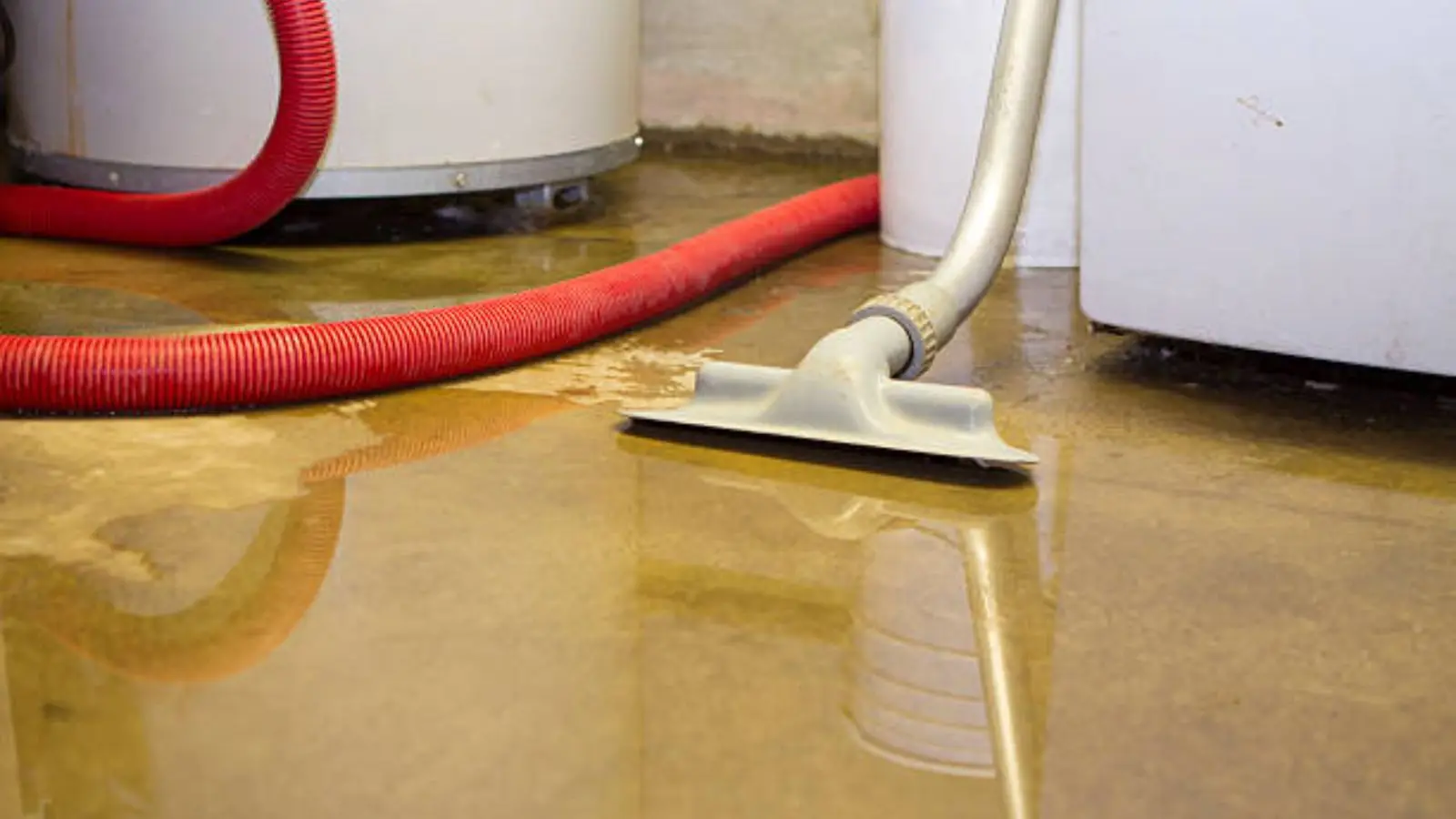
Water damage cleanup in Hopkinton, MA begins as soon as the water has been stopped, and the first 48 hours matter most. The dispatch line at (508) 446-9244 is open 24/7, and same-day response is offered when crews are available. While you wait, stop the source if you can, turn off power to wet areas only from a dry spot, lift valuables and keep people and pets out of any dirty water.
Cleanup is the work of removing what water ruined and making the rest of the space clean. It sits between pumping the water out and rebuilding, and it is where most of the decisions about saving or throwing away happen.
The first 48 hours: an emergency window
The Massachusetts Department of Public Health advises drying wet areas within 24 hours, and the state's Housing Code requires leak and flood areas to be dried within 48 hours. After that, damp porous materials are likely to start growing mold and giving off odors.
That is why cleanup does not wait for a convenient time. Carpet padding, drywall, insulation and upholstered furniture are the usual casualties, and the sooner they come out, the less spreads to materials that could have been saved.
What cleanup includes
Debris and contents removal
Soaked carpet, padding, drywall and ruined belongings are removed and hauled away.
Cleaning surfaces
Floors, framing and hard surfaces are washed with detergent so that dirt and residue do not stay behind.
Sanitizing
Surfaces that touched contaminated water are disinfected after cleaning.
Deodorizing
Odors are addressed after the source is removed and the area is dry, because masking a smell does not fix it.
Safety before you start cleaning
- Turn off power to the wet area only if you can reach the panel while standing dry.
- Wear gloves, boots and eye protection around dirty water, and wash hands afterward.
- Keep children, pets and anyone with breathing problems out of the area.
- Do not mix bleach and ammonia or other cleaners.
What can be saved and what cannot
Hard, non-porous materials such as glass, metal and sealed tile are usually cleaned and kept. Porous materials soak up water and anything in it. The Massachusetts environmental agency's home care guide says to always discard food, medicines, mattresses, pillows, upholstered furniture and carpet padding that touched contaminated water, and usually large carpets, books and paper.
Clean-water leaks are more forgiving. Carpet that was lifted quickly and dried can sometimes be kept, and solid wood furniture often dries without harm. Contents that cannot be cleaned on site can sometimes go out for specialty cleaning.
| Item | Clean water, removed fast | Contaminated water |
|---|---|---|
| Carpet | Often dried and kept | Usually discarded |
| Carpet padding | Often replaced | Always discarded |
| Drywall | Dried if not swollen | Cut out and discarded |
| Upholstered furniture | Sometimes dried | Discarded |
| Solid wood furniture | Dried and cleaned | Cleaned and disinfected if sealed |
| Books and paper | Sometimes dried quickly | Usually discarded |
Local context in Hopkinton
Hopkinton Center has a local historic district around the Town Common and the south side of Main Street, established in 1979, and the Woodville Historic District is overseen by its own commission. Homes and buildings in a historic district may have rules about exterior changes, so a cleanup that touches exterior walls should start with a call to the town's Historic District Commission.
Inside, older houses often have plaster, wood trim and original flooring that need a careful drying plan. That affects how much is removed, so ask for a written scope that lists what will come out and why.
Safety, odors and the insurance record
Wear gloves and boots if you must enter a wet area, avoid mixing cleaning chemicals, and never run a gas-powered pump or generator in the house. The state's mold guide says bleach is generally not recommended for mold and that bleach and ammonia must never be mixed.
Photograph everything before it is thrown out, and keep a list of what was removed. Standard homeowners policies often cover sudden and accidental damage but not flood, so check your policy and report a claim promptly.
| Factor | How it changes the job |
|---|---|
| Water category | Contaminated water means more removal and sanitizing. |
| Affected area | More area means more debris and cleaning. |
| Materials | Porous materials are removed, hard surfaces are cleaned. |
| Drying days | Longer wet periods add odor and removal. |
| Rebuild scope | More removed materials mean more to replace. |
Want your real number for cleanup?
Call (508) 446-9244. The scope and price are explained before work starts.
After cleanup, the structure still needs to be dried, which is covered under water mitigation. If standing water is still present, start with emergency water removal. Rebuilding follows through water damage repair. We also serve Holliston from this base.
Frequently Asked Questions
Yes. The line is open 24/7. Call, describe what is wet and where the water came from, and we start arranging a crew. Same-day response is offered when crews are available, and no arrival time is promised.
As soon as the water is stopped. The state recommends drying wet areas within 24 hours, and the Housing Code requires 48. Delay raises the chance of odors and mold.
Sometimes. Carpet that got clean water and was lifted and dried quickly can often be kept. Padding is usually replaced, and carpet that touched contaminated water is usually discarded.
Odors fade when the source is removed and the area is dry. Masking sprays do not fix them, so cleanup removes the wet material first and deodorizes afterward.
Standard policies often cover sudden and accidental damage but not flood or neglect. Check your policy, keep photos and invoices, and ask your insurer what applies.