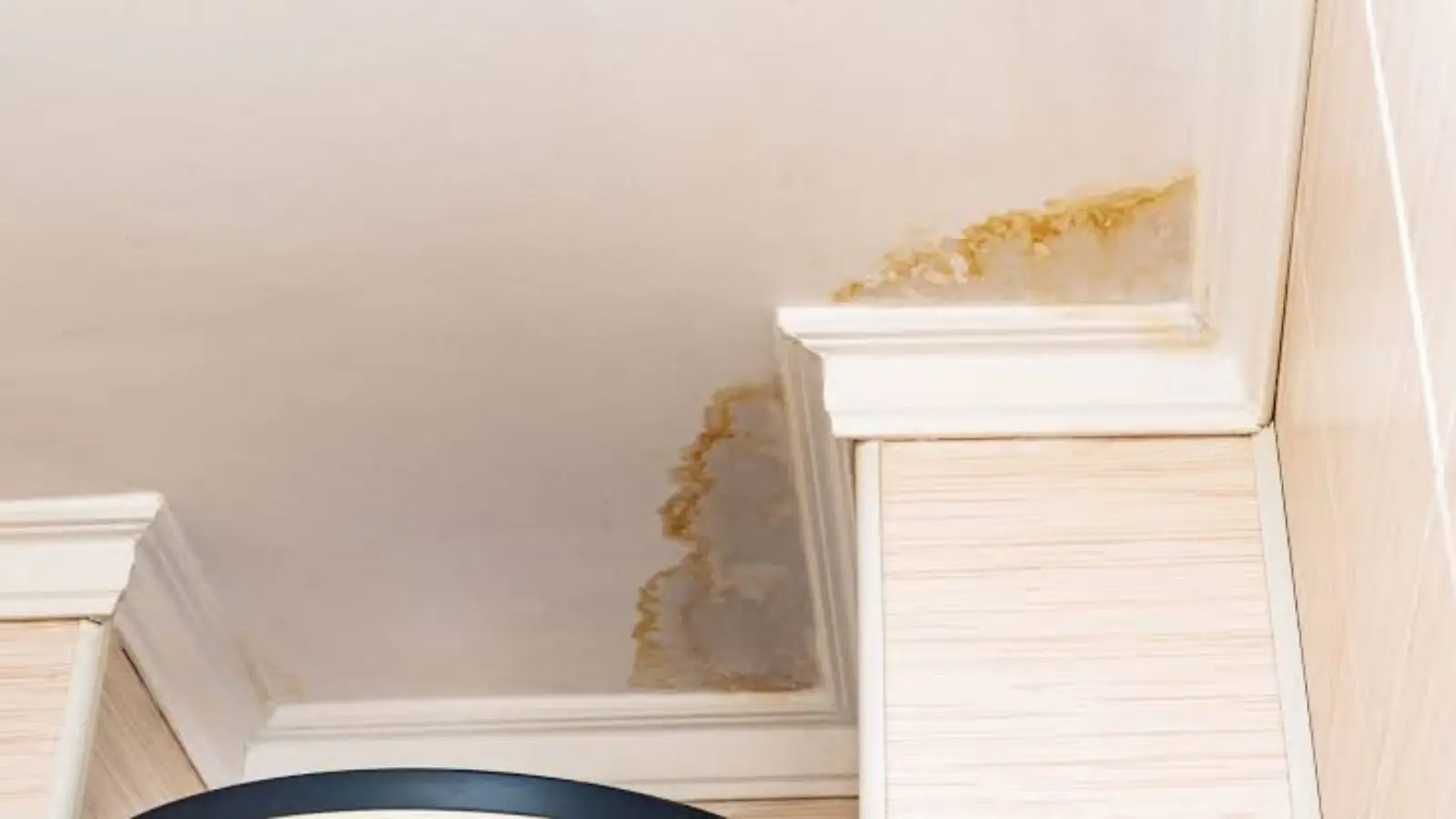
Ceiling water damage repair services in Hopkinton, MA are the trades that diagnose a wet ceiling, dry it, remove what failed and rebuild the surface. A complete service covers more than a patch and paint. Knowing what belongs in a scope of work helps you compare two quotes fairly, and it helps you spot the one that quietly leaves out the hard part.
What a complete ceiling repair should cover
A good quote reads like a sequence, not a single line. Look for each of the following, either included or clearly marked as someone else's job.
| Scope item | Why it matters | Red flag if missing |
|---|---|---|
| Source check | Confirms the water is stopped or names who will stop it | Repair starts with no mention of the cause |
| Moisture readings | Shows the area is dry before closing it up | No meter reading or drying plan |
| Removal of wet material | Takes out drywall and insulation that cannot be saved | Only says patch and paint |
| Cavity drying | Dries joists and the space above the ceiling | Closing up the ceiling right away |
| Patch, tape and finish | Rebuilds the surface in thin coats | One coat of compound over a wide area |
| Stain-blocking primer | Stops old stains from bleeding through | Regular paint over the stain |
| Paint to a break line | Avoids a visible patch | Painting only the damaged spot |
| Debris removal | Takes wet material out of the house | Leaving bags for the homeowner |
Dry first, then repair
The cheapest quote is often the one that skips drying. If a service patches a ceiling that still has wet joists above it, the paint may look good for a few weeks while mold or rot starts. The state health guide stresses finding and fixing the moisture source and says areas affected by leaks or floods should be dried within 48 hours.
That is why many homes need water mitigation first and water damage repair second. Ask any company how it will prove the ceiling is dry, and ask to see the reading before it closes the ceiling.
Massachusetts rules every homeowner should know
Ceiling repair in an owner-occupied one-to-four-unit home falls under the state Home Improvement Contractor program. The program requires contractors to register before they work or bid on those properties. The registration number must appear on contracts, permits and advertising.
Registration matters beyond paperwork. Customers of unregistered contractors cannot reach the Guaranty Fund, which can pay actual losses up to a state cap when eligible homeowners win arbitration or court and the contractor does not pay.
What the written contract must include
Under Massachusetts General Laws chapter 142A, a residential contract above the state's small-job threshold must be in writing. The state lists specific requirements, and a missing one is a reason to slow down.
A Massachusetts home improvement contract should show
- The contractor's registration number
- Start and completion dates
- A description of the work to be done
- The total price
- A payment schedule
- A deposit no higher than the greater of one-third of the price or the cost of special-order materials
- The words telling you not to sign if there are blank spaces
- A cancellation-rights notice where it applies
Work may not begin until the contract is signed and you hold a signed copy. A contractor also may not demand final payment before the work is completed. The Attorney General's guide adds that contracts signed at home should carry a three-day cancellation notice, though an emergency you start yourself can change that.
Permits and questions for Town Hall
The Town of Hopkinton's Inspectional Services office is on the third floor of Town Hall at 18 Main Street. It handles building, mechanical, electrical, plumbing and gas permits, and residential permits can be filed online. The town's page notes that a contractor supervisor license is not always required, but that does not mean a permit is not required.
The practical tie-back is to call before work starts. Ask whether your ceiling repair, especially one that opens framing or involves new wiring for lights, needs a permit. The page also says building permits become invalid if work is not started within 180 days.
Source type: Town of Hopkinton page
Questions to ask before you hire
- What is your Home Improvement Contractor registration number?
- Will the written contract show the scope, dates, price and payment schedule?
- How will you confirm the ceiling and framing are dry before closing it up?
- Is insulation replacement included, and what happens if you find more damage once it is opened?
- Who handles the source repair, such as a roof or plumbing fix, and is it in this quote?
- Will you pull any permits needed, and will the town be told about the work?
- How will you finish the paint so the patch does not show?
Insurance and records
The Division of Insurance says standard homeowners policies usually cover sudden and accidental water damage, such as a burst pipe, but not flood, and they exclude damage from wear, tear or neglect. Check your policy or ask your insurer before work begins, and report a claim promptly. Photograph the damage before cleanup and keep every invoice and moisture reading together.
What changes the cost of a ceiling repair
- How large the wet area is, and whether the cavity or insulation is involved
- How long the material stayed wet
- Ceiling texture, because matching popcorn or plaster takes more work
- Height and access, since tall or vaulted ceilings need staging
- Whether lights, fans or wiring have to be removed and reset
- The source repair, which is often a separate trade and a separate cost
Our dispatch team covers homes in Southborough and Milford as well as Hopkinton. Honest pricing needs the scope, so any figure quoted without seeing the ceiling is a guess.
Want a scope you can compare?
Call (508) 446-9244. We explain what the repair includes and what drives the price before any work starts.
Frequently Asked Questions
Contractors working on owner-occupied one-to-four-unit homes must register under the Home Improvement Contractor program. No water-damage-restoration-specific state license was found, so ask for the registration number and check it.
Residential contracts above the state's small-job threshold must be in writing under state law. Do not let work begin until you have signed and hold a copy.
No more than the greater of one-third of the price or the cost of special-order materials. Be cautious about anything higher.
The town does not publish a general rule for repairs. Contact Inspectional Services at Town Hall, 18 Main Street, and describe the scope. Work that opens framing or changes wiring is the most likely to need one.
Not always. The roof, plumbing or appliance repair is often a separate trade. Make sure your quote says who stops the water, and in what order.